Feed Ration Record Keeping for Cattle and Sheep
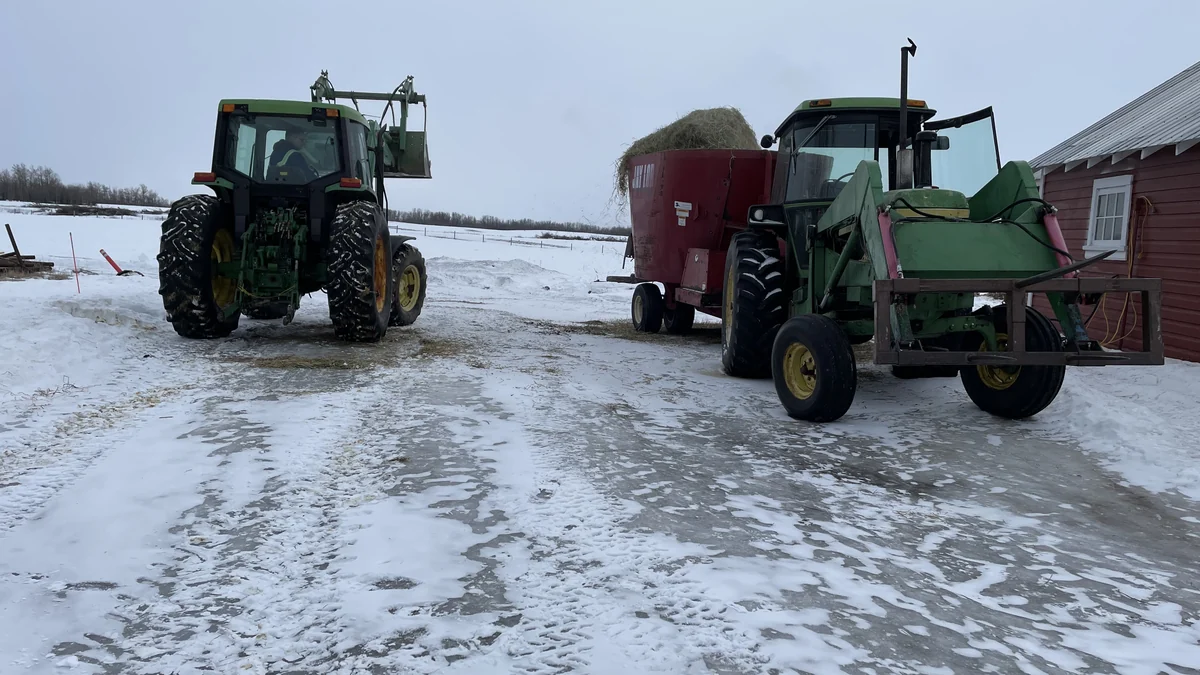
It is the middle of winter feeding. The ration is settled — so many pounds of hay, so many pounds of grain, per head, per day — and the work is the same every morning: load the mixer or the bucket, feed the pens, move on. The question good feed ration record keeping answers is simple: what did each group actually get, and how close was it to the plan?
Feed is one of the largest input costs on most cattle and sheep operations, and it is the one you handle every single day. A ration written on a shop wall is a plan. A feeding log is a record. The gap between the two is where feed quietly disappears.
Write the ration per head per day
The most durable way to write a ration down is per head per day, not per load:
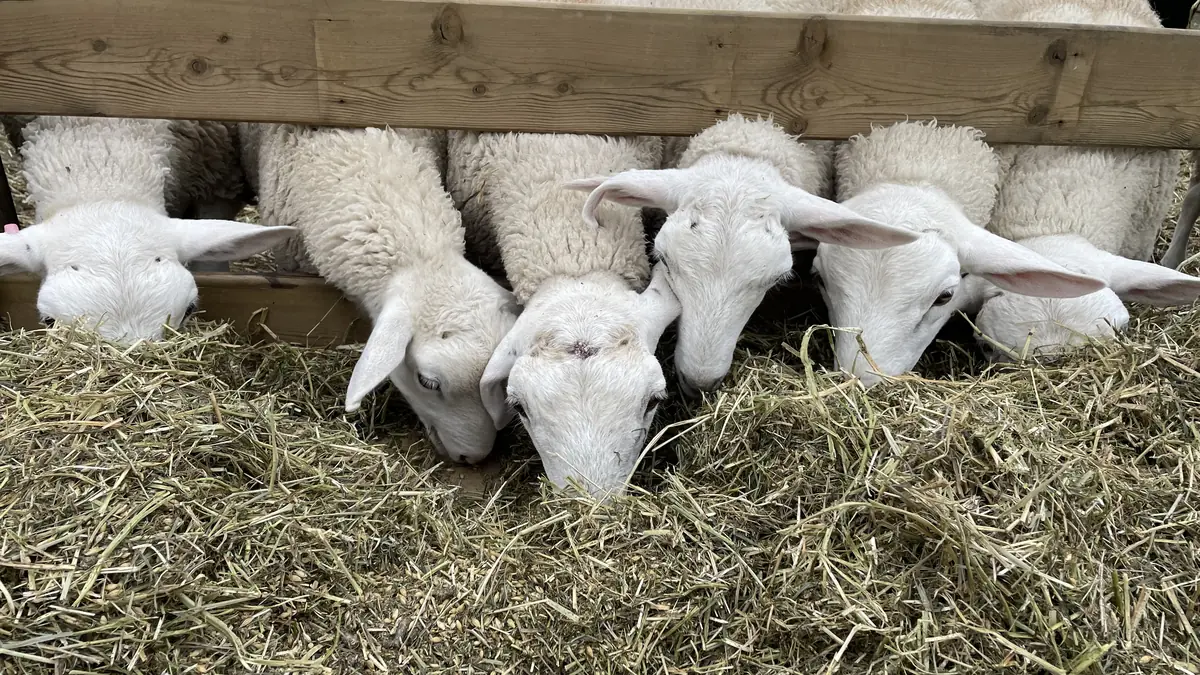
Bred ewes, mid-gestation: 3 lb alfalfa hay + 2 lb whole barley per head per day.
Per-head numbers survive the things that change. Sell ten head and the math adjusts itself. Split the day into two feedings and each feeding is simply half. A per-load recipe ("one bale and twelve buckets") goes stale the day the pen count changes — and pen counts always change.
From the per-head ration, the batch math for any feeding is one line:
batch target = per-head amount × head count ÷ feedings per day
For 250 ewes on the ration above, fed once a day, that is 750 lb of alfalfa hay and 500 lb of barley per day. Write the per-head ration at the top of the feeding log and derive the batch targets from it — never the other way around.
The bale problem: why paper math drifts
Here is where most feeding records quietly go wrong. Grain is easy to weigh out accurately. Hay comes in bales, and bales lie.
University extension work has measured this repeatedly. In a Wisconsin field exercise, both farmers and extension agents guessed round bale weights wrong by roughly 100 pounds on average — sometimes high, sometimes low. Penn State Extension makes the same point: bales of the same size and crop vary widely in density and weight, and treating a "1,500-pound bale" as exactly 1,500 pounds means the rest of your ration math is built on a guess.
Suppose the ration calls for a 1,500 lb batch of hay and a 1,000 lb batch of barley — a 3:2 ratio. The bale that actually goes in the mixer weighs 1,536 lb. If you add the planned 1,000 lb of barley anyway, the ration is no longer 3:2. The fix is simple arithmetic: hold the ratio, not the absolute numbers.
actual hay ÷ planned hay = 1,536 ÷ 1,500 = 1.024
adjusted barley = 1,000 × 1.024 = 1,024 lb
Scale the remaining ingredients by the same factor and the batch stays on-recipe — just 2.4% heavier. Every animal still gets the ration in the proportions it was designed in, and your barley lasts as long as the plan said it would. This works on paper or in a spreadsheet: one column for planned weight, one for actual, one for the running scale factor.
The same logic says the heavy bale should not become invisible. If the pen got 102% of its daily target today, tomorrow's load can come back a little. That only works if the actual weights were written down.
What to record at every feeding
A usable feeding log needs one row per ingredient per load, plus a delivery line per group. The whole thing fits on a clipboard page or a spreadsheet tab:
| Field | Example | Why it matters later |
|---|---|---|
| Date and time | Jan 14, 7:40 am | Ties feeding to weather, gains, health events |
| Group / pen | Bred ewes — east pen | Per-group history |
| Head count | 250 | Turns pounds into pounds per head |
| Ingredient | Alfalfa hay | One row each |
| Planned weight | 1,500 lb | The recipe |
| Actual weight | 1,536 lb | What the scale said |
| Delivered to group | 2,560 lb total | Confirms it all went where intended |
| Notes | Last bale of the '25 second cut | Catches feed changes that explain later swings |
Two habits make the log worth keeping:
- Record the scale reading, not your memory of it. If the mixer scale reads cumulative weight, write the cumulative number and subtract later. Mental arithmetic in the tractor cab at 7 am is where errors come from.
- Total each group's pounds per head per day weekly. Divide delivered weight by head count. If the ewes are getting 5.4 lb per head against a 5.0 lb plan, you want to see that on paper before you see it in body condition or in an empty hay yard in March.
Records track the ration — a nutritionist builds it
A feeding log tells you what was fed against the plan. It does not tell you whether the plan is right. Ration formulation depends on forage tests, animal class, stage of production, and weather, and the established references — the Merck Veterinary Manual's sheep feeding guidance, the National Research Council requirement tables, provincial and state extension programs — all assume professional judgement in applying them. Build the ration with your nutritionist or extension office; keep the records yourself. Good records make that conversation better, because "we fed 5.4 lb per head through January" is something a nutritionist can actually work with.
Start simpler than you think
The biggest failure mode in feed record keeping is a form so detailed it gets skipped on the second-coldest morning of the year. Start with the table above, one page per week per group. After a month you will have something no estimate can give you: the real feeding rate per head, the real variation in your bales, and a paper trail for the winter's feed use.
Ranch.Bot turns plain-language notes like these into structured records you can search later — review every record before it saves. Start a 14-day free trial at ranch.bot.